HCPC & CSP registered physiotherapist visiting clients home in kent, Essex & London 07774771992

Tumblr ↗

  • Experienced HCPC and CSP registered physiotherapist available for same day home visit on 07774771992

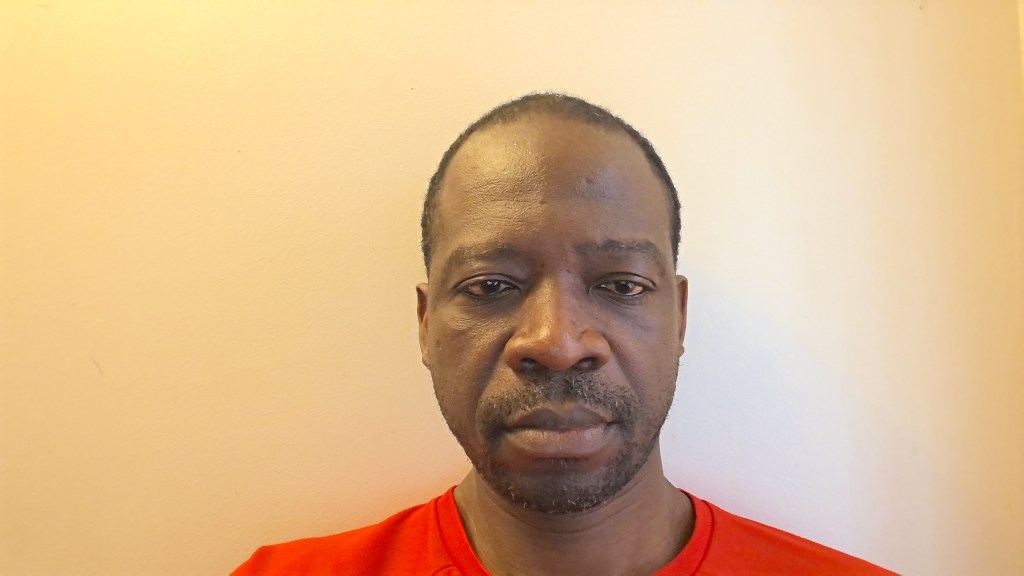
    Femi Olamiko coordinates physiotherapy home visit in London, Essex and Kent

    Femi Olamiko, experienced physiotherapist CV listed below.

    PROFESSIONAL EXPERIENCE

    Physiotherapist                           12th November 2024 till date

    NHS Hospital,

    • Assessed and treated patients in their homes following referral from doctors, community matrons, district nurses etc.
    • Assessed patient and treated patient on the ward in NHS hospital
    • Treated patient with neurological conditions, orthopaedics, elderly rehab etc.
    • Evaluated and monitored outcome of treatment given using validated outcome measures (e.g.GAS score, Barthel Index, Functional independent measure, Tinnetti′s fall efficacy scale, Berg balance scale).
    • Designed and gave individualised home exercise programmes.
    • Recommended and taught safe usage of walking aids, splints, prostheses etc
    • Refer patients to other members of the multidisciplinary team based on patient health needs.
    • Wrote discharge letters to referring clinicians, general practitioners and patients.

    Physiotherapy Functional assessor                15th July 2024 till 11th Nov 2024

    IPRS/ATOS

    Assess claimant for personal independence payment

    Wrote report for department of works & pension

    Band 6 physiotherapist                                    11th March 2024 till 12th July 2024

    Bexley rapid Response team

    London, SE18 4QH

    Band 6 Falls Team Physiotherapist                 7th June, 2021 – march 2024

    KCHFT, Coxheath Centre,

    Maidstone, ME17 4 AH

    Band 6 Community Neuro Physiotherapist                  

    Bexley Neuro Team, Queen Mary’s Hospital,     5th October, 2020 – 4th June, 2021

    Sidcup, DA14 6LT

    Band 6 community physiotherapist       21st July, 2020 – 2nd October, 2020

    Kent Community NHS foundation Trust, Ashford ICT, Trinity House, 110 -120 Upper Pemberton,

    Eureka Business Park, Ashford, TN25 4AZ.

    Band 6 Inpatient physiotherapist

    Westbrook House                        6th April, 2020 – 3rd July, 2020

    150 Canterbury road,

    Margate, CT9 5DD.

    Band 6 Community Physiotherapist                  

    Tonbridge Cottage hospital,                 19th August, 2019 – 21st December,2019

    Vauxhall Lane,

    Tonbridge, TN11 0NE.

    Band 6 physiotherapist               5th April, 2018 – 4th January, 2019

    Platters Farm Lodge,

    Highfield road, Rainham,

    Gillingham, ME8 0EQ.

    Band 6 Community Physiotherapist                  

    CAR Team, Memorial Hospital,                      28th November, 2016 – 2/4/2018

    Shooters hil, London, SE18 3RZ

    Band 6 community physiotherapist       29th February,2016 – 25th November, 2016

    Heart of Hounslow Centre for Health,

    92, Bath road, Hounslow, TW3 3EL

    Band 6 Inpatient/community physiotherapist

    Westview Hospital                        6th April, 2015 – 26th February, 2016

    Plummer lane,

    Tenterden, TN30 6TX

    Band 6 Community Physiotherapist                  

    Deal hospital,                            22nd August, 2014 – 2nd April,2015

    Bowling Green Road,

    Deal, Ct14 9UA.

    Band 6 community physiotherapist               24th April, 2014 – 21st August, 2014

    Southend Hospital,

    Prittlewell chase,

    Westcliff-On-sea, SS0 0RY.

    Band 6 Community Physiotherapist                  

    Community Rehab Serive,                            2nd December, 2013 – 17th April, 2014

    Heart of Hounslow Centre for health,

    92, Bath Road, Hounslow, TW3 3EL

    Band 6 Community Physiotherapist

    Coxheath clinic                                                9th August, 2012 – 28th November, 2013

    Heath road, Coxheath,

    Maidstone, Kent, Me17 4AH.

    Band 6 intermediate care Physiotherapist

    The Kleinwort Centre,                                       12th july, 2012 – 8th August, 2012

    Butlers Green Road,

    Hayward Heath,

    West Sussex, RH16 4BE

    Post: Band 6 Impact team Physiotherapist

    Livingstone Hospital,                                         5th Dec. 2011 – 29th jun,2012.

    East Hill, Dartford ,

    Kent, DA1 1SA.

    Band 6 Community MSK/Neuro Physiotherapist

    Bromley Primary Care Trust,                      5th Sept. 2011 – 3rd Dec. 2011

    St Pauls`s Cray,

    Orpington,

    Kent, BR5 2RJ

    Band 6 Community Neuro/MSK Physiotherapist

    Mount Gould Hospital                                25th May, 2011 –  1st September, 2011

    Plymouth,

    Devon, PL4 7QD

    Band 6 Inpatient/Community Physiotherapist

    Clacton Hospital                                          3rd Feb. 2011 – 28th April, 2011.

    Tower road,

    Clacton-on-sea, CO15 1LH.

    Band 6 Community Neuro/MSK Physiotherapist

    Brentwood Community Hospital                    16th Dec. 2010 – 2nd Feb. 2011

    Crescent Drive,

    Brentwood, CM15 8DR.

    Band 6 Community Neuro/MSK Physiotherapist

    Central Middlesex Hospital,                           7th Oct. 2010 – 10th Dec. 2010

    Acton Lane, Park Royal,

    London, NW10 7NS.

    Post: Band 6 Community Physiotherapist

    Southend University Hospital,                            19th July, 2010 – 5th October, 2010.

    NHS Foundation Trust,

    Prittlewell Chase, Westcliff-On-Sea,

    Essex, SS0 0RY.

    Post: Band 6 Community Physiotherapist

    Brent Rehabilitation service,                              10th May, 2010- 16th July, 2010.

    Willesden Centre for Health and Care,

    Robson Avenue, Willesden,

    London, NW10 3RY.

    Post: Band 6 Inpatient/Paediatric/Community Physiotherapist

    Maidstone hospital,                                     15th February, 2010- 31st March, 2010.

    Hermitage lane,

    Maidstone, Kent, ME16 9QQ.

    Band 6 Elderly rehab/Community Physiotherapist

    Sutton & Merton Intermediate Care,              8th January, 2010- 12th February, 2010

    Garth House, Fountain Drive,

    Orchard hill, Carshalton,

    Surrey, SM5 4NN.

    Post: Band 6 Respiratory/Intermediate care Physiotherapist

    Livingstone Hospital,                                 5th October, 2009 – 31st December, 2010.

    East Hill, Dartford,

    Kent, DA1 1SA.

    Post: Band 6 Respiratory/Neurology Physiotherapist

    Thurrock Community Hospital,                        12th May, 2009 – 4th September, 2009.

    Long Lane, Grays,

    Essex, RM16 2PX.

    Post: Band 6 Musculoskeletal/Neurology/Hand therapy Physiotherapist

    The Royal Regiment of Fusiliers,                      14th April, 2009 – 8th May, 2009

    Calvary Barracks, Beavers Lane,

    Hounslow, Middlesex, TW4 6HD.

    Post: Band 6 Wheelchair/Paediatric/Community Physiotherapist

    Whipps Cross Hospital,                                     1st March, 2009 – 9th April, 2009

    Whipps Cross road,

    London, E11 1NR

    Post: Band 6 Wheelchair/Orthopaedic/Musculoskeletal Physiotherapist

    Disability Service Centre,                                5th January 2009 – 27th February, 2009.

    Havering PCT, Gubbins Lane,

    Harold Wood, Essex, RM3 0AR.

    Post: Band 6 Respiratory/neurology/ Mental health Physiotherapist

    University Hospital of North Durham                14th December, 2008- 28th December, 2008.  

    North road, Durham,

    County Durham.

    Post: Multidisciplinary team staff

    Chelsea and Westminster Hospital                   5th May 2008 – 10 December, 2008.       

    NHS Foundation Trust                                     

    369, Fulham Road,

    London, SW10 9NH.

    Post: Voluntary physiotherapist

    St. George’s N.H.S Hospital,                          7th January 2008 – 25th April 2008.

    Blackshaw Road, Tooting                               

    London, SW17 0QT

    M. Sc Physiotherapy programme                  14th September, 2006 – 16th June, 2008.

    University of East London,

    United Kingdom.

    Full U.K. Driving Licence                             3rd July, 2009.

    Post: Senior Physiotherapist

    Usman Danfodiyo                                        2nd September, 2005 – 29 August, 2006.

    University Teaching                                       

    Hospital, Sokoto state, Nigeria.

    Post: Junior Physiotherapist

    Lagos State University                               

    Teaching Hospital, Nigeria                                       3rd May, 2004 – 30 August, 2005

    EDUCATIONAL QUALIFICATIONS

    MSc Physiotherapy                    June, 2008         

    University of East London, UK.

    Thesis: Reliability of ultrasound for imaging vastus lateralist and lateral             gastrocnemius muscles in males and females aged 40-60 years old (Exhibit C6)

    Bachelor of Physiotherapy          April, 2004          

    University of Lagos, Nigeria.

    Thesis: Comparison of the effects of balance exercise, bench stepping and six minute walk on static and dynamic balance in the elderly (Exhibit C5).

    PROFESSIONAL MEMBERSHIP

    • Registrant, Health Professions Council (PH80446).
    • Member, Chartered Society of Physiotherapy (080335).
    • Member, Physical Therapist, State of New Mexico, United State of America, Licence number: PT-2023-2303

  • same day physiotherapy appointment in client homes on 07774771992

    Iftob physiotherapy offers same day physiotherapy appointment in London, Essex and Kent.

    call Iftob physiotherapy on 07774771992.

    over 20 years NHS experienced, HCPC and CSP registered physiotherapist.

    Bromley

    Sittingbourne

    Bexleyhealth

    Bexley

    Gravesend

    Sidcup

    Canterbury

    Dover

    Teynham

    Sheerness

    Rochester

    Chatham

  • neck pain

    neck pain may result from wear and tear in the cervical joints of the neck or soft tissue injury to neck muscles. pain from musculoskeletal origin will be intermittent and relieved by movement or position change. taken pain medication prescribed by the doctor can be helpful. application of moderately warm heat pack or wheat bag can be helpful. having warmth bath or shower or going to the sauna can lead to increase blood circulation which helps to removed waste products of cellular metabolism lactic acid from the cells of the body leading to decrease pain felt. physiotherapy mobilisation of the neck muscles and neck exercises can be of great benefit to decrease neck pain.

    call physiotherapy home visit on 07774771992 for same day appointment by hcpc and csp registered physiotherapist.

    home visit available in London, Kent and Essex.

  • treat that pain with physiotherapy

    are you having body pain? try physiotherapy. call physiotherapy home visit on 07774771992. patient are treated in the comfort of their homes in London, Essex and Kent. Same day appointment available.

    call today on 07774771992

    Dartford

    Maidstone

    Sittingbourne

    Bromley

    Bexleyhealth

    Gravesend

    whitstable

    Faversham

    Isle of Sheppey

    Medway

  • care of patient with hinge knee brace

    Care of patient with hinge knee brace

    Presentation done on 06/03/2025 at 10am by Samuel Olufemi Olamiko, S.M.A.R.T physiotherapist.

    Venue: S.M.A.R.T office, Medway Maritime Hospital, Kent, ME7 5NY

    Knee brace is a device that support and stabilises the knee joint.

    Knee hinge brace is a type of knee brace that has hinges on the side of the knee joint in order to allow for controlled knee bending (flexion) and knee straightening (extension) while giving stability and support. The degree of knee flexion of the hinge knee brace is set by the orthopaedic doctor based on the treatment goal.

    Use of knee brace:

    After an injury such as sprain, strain or tear.

    To manage pain from conditions like osteoarthritis, rheumatoid arthritis

    After knee surgery allowing weight bearing or non weight bearing status.

    To improve stability after an injury such as anterior cruciate ligament tear etc

    Application of the brace:

     The brace should be fitted in a lying or long sitting position on a bed. It is possible to fit the brace alone by the patient but it can be much easier to get other to put it on.

     Open the straps of the brace and lay your leg on top of it . · The two round pads should hug at the sides of the kneecap.   Ensure the brace is locked / unlocked to the desired degrees of motion.  · Fasten the buckles on the straps nearest the knee first – this helps to keep it in the right place. · Fasten the remaining straps. Ensuring all straps are tight but able to fit one finger comfortably between the skin and the strap, to ensure it is not fastened too tight.

    NB: Throughout the day, the brace may slip and will need to be pulled back up to the knee and the straps tightened again.

    Knee brace should be worn all the time, including bedtime, unless stated otherwise by the doctor. Patient may remove the brace for personal hygiene only and put back on immediately. Sometimes the skin can become dry and flaky – a simple moisturiser is advised.

    Problem to look out for:

    Skin redness that does not fade after 15-20 minutes

    A marked increase in swelling

    Sores or blisters on skin

    Pain, irritation or rubbing

    Damage to the knee brace

    Any altered sensation i.e numbness or pins and needles sensation

    Lack of ability to move the foot and ankle.

    NB:If any of these signs are noted, remove the knee brace and seek medical help immediately.

  • physiotherapy home visit in Bromley, Dartford, Maidstone and Rochester on 07774771992

    home visit by HCPC and CSP registered experienced physiotherapist in Bromley, Swanley, Bexleyheath, Sidcup, Dartford, Greenhithe, Maidstone, Sittingbourne, Swale, Rochester, Sheerness, Medway, Isle of Sheppey, Gravesend, Dagenham etc on 07774771992.

    same day physiotherapist home visit available on 07774771992
  • care for patient with hinge knee brace post knee injury

    Care of patient with hinge knee brace

    Presentation done on 06/03/2025 at 10am by Samuel Olufemi Olamiko, S.M.A.R.T physiotherapist.

    Venue: S.M.A.R.T office, Medway Maritime Hospital, Kent, ME7 5NY

    Knee brace is a device that support and stabilises the knee joint.

    Knee hinge brace is a type of knee brace that has hinges on the side of the knee joint in order to allow for controlled knee bending (flexion) and knee straightening (extension) while giving stability and support. The degree of knee flexion of the hinge knee brace is set by the orthopaedic doctor based on the treatment goal.

    Use of knee brace:

    After an injury such as sprain, strain or tear.

    To manage pain from conditions like osteoarthritis, rheumatoid arthritis

    After knee surgery allowing weight bearing or non weight bearing status.

    To improve stability after an injury such as anterior cruciate ligament tear etc

    Application of the brace:

     The brace should be fitted in a lying or long sitting position on a bed. It is possible to fit the brace alone by the patient but it can be much easier to get other to put it on.

     Open the straps of the brace and lay your leg on top of it . · The two round pads should hug at the sides of the kneecap.   Ensure the brace is locked / unlocked to the desired degrees of motion.  · Fasten the buckles on the straps nearest the knee first – this helps to keep it in the right place. · Fasten the remaining straps. Ensuring all straps are tight but able to fit one finger comfortably between the skin and the strap, to ensure it is not fastened too tight.

    NB: Throughout the day, the brace may slip and will need to be pulled back up to the knee and the straps tightened again.

    Knee brace should be worn all the time, including bedtime, unless stated otherwise by the doctor. Patient may remove the brace for personal hygiene only and put back on immediately. Sometimes the skin can become dry and flaky – a simple moisturiser is advised.

    Problem to look out for:

    Skin redness that does not fade after 15-20 minutes

    A marked increase in swelling

    Sores or blisters on skin

    Pain, irritation or rubbing

    Damage to the knee brace

    Any altered sensation i.e numbness or pins and needles sensation

    Lack of ability to move the foot and ankle.

    NB:If any of these signs are noted, remove the knee brace and seek medical help immediately.

  • neck pain

    neck? try physiotherapy

    call 07774771992 for home visit by HCPC and CSP registered physiotherapist

    Home visit in London, Essex and Kent

  • back pain

    are you having back pain?

    try physiotherapy.

    call 07774771992 for home visit by HCPC and CSP registered experienced physiotherapist.

    Home visit in London, Essex and Kent is being done.

  • care of patients wearing hinge knee brace

    Care of patient with hinge knee brace

    Presentation done on 06/03/2025 at 10am by Samuel Olufemi Olamiko, S.M.A.R.T physiotherapist.

    Venue: S.M.A.R.T office, Medway Maritime Hospital, Kent, ME7 5NY

    Knee brace is a device that support and stabilises the knee joint.

    Knee hinge brace is a type of knee brace that has hinges on the side of the knee joint in order to allow for controlled knee bending (flexion) and knee straightening (extension) while giving stability and support. The degree of knee flexion of the hinge knee brace is set by the orthopaedic doctor based on the treatment goal.

    Use of knee brace:

    After an injury such as sprain, strain or tear.

    To manage pain from conditions like osteoarthritis, rheumatoid arthritis

    After knee surgery allowing weight bearing or non weight bearing status.

    To improve stability after an injury such as anterior cruciate ligament tear etc

    Application of the brace:

     The brace should be fitted in a lying or long sitting position on a bed. It is possible to fit the brace alone by the patient but it can be much easier to get other to put it on.

     Open the straps of the brace and lay your leg on top of it . · The two round pads should hug at the sides of the kneecap.   Ensure the brace is locked / unlocked to the desired degrees of motion.  · Fasten the buckles on the straps nearest the knee first – this helps to keep it in the right place. · Fasten the remaining straps. Ensuring all straps are tight but able to fit one finger comfortably between the skin and the strap, to ensure it is not fastened too tight.

    NB: Throughout the day, the brace may slip and will need to be pulled back up to the knee and the straps tightened again.

    Knee brace should be worn all the time, including bedtime, unless stated otherwise by the doctor. Patient may remove the brace for personal hygiene only and put back on immediately. Sometimes the skin can become dry and flaky – a simple moisturiser is advised.

    Problem to look out for:

    Skin redness that does not fade after 15-20 minutes

    A marked increase in swelling

    Sores or blisters on skin

    Pain, irritation or rubbing

    Damage to the knee brace

    Any altered sensation i.e numbness or pins and needles sensation

    Lack of ability to move the foot and ankle.

    NB:If any of these signs are noted, remove the knee brace and seek medical help immediately.